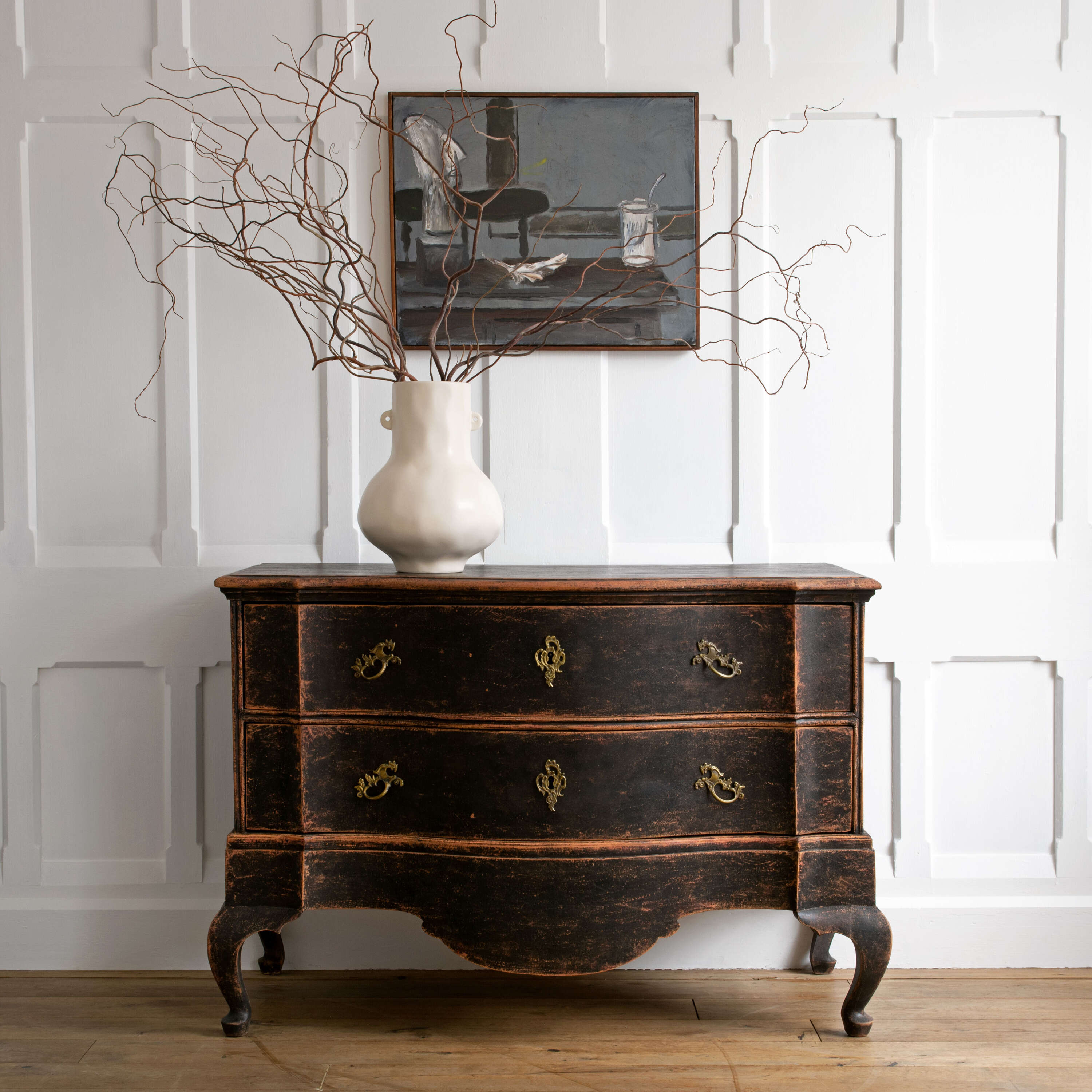
 Image: Georgia Lacey - Rococo serpentine chest
Online, your photographs do the selling long before your antiques get a chance to.
If you're a dealer in London, a buyer in New York can't run their hand across the top of your 18th century French commode. They can't feel the weight of the drawer, tilt it to the light, or spot the repair on the back leg. All they get is a picture on a screen, and only a few seconds of attention before they scroll on to somebody else's piece.
So your photography isn't "the pictures for the listing". It is your sales pitch.
This is also one of the very few parts of selling online that costs you nothing but a bit of thought. You almost certainly already own the camera.
So here are 6 do's worth copying and 6 don'ts that get in the way of a sale.
What we'll cover
a) Why your photography matters as much as your stock
b) The 6 do's (with examples from dealers doing it properly)
c) The 6 don'ts
d) You don't need a fancy camera
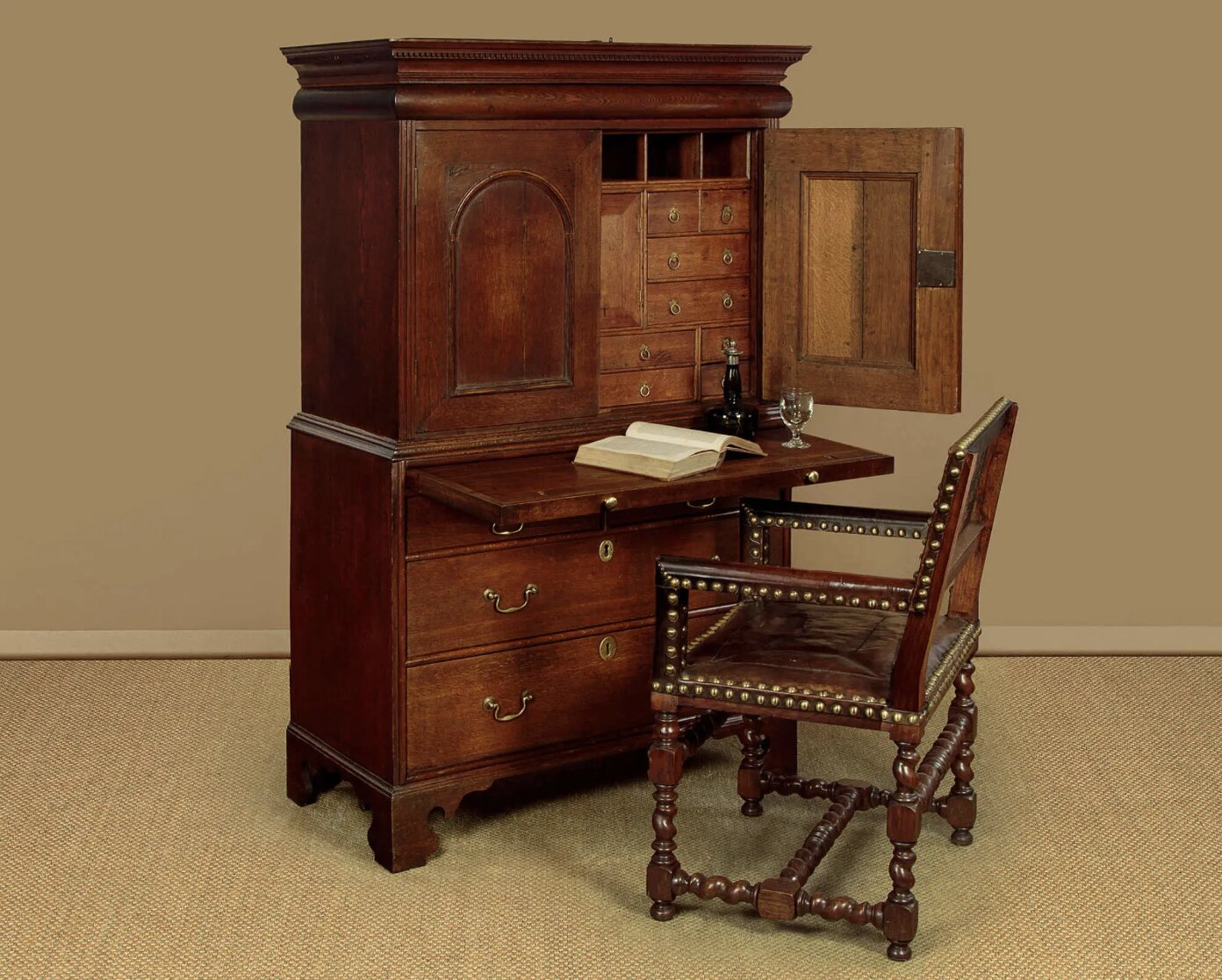 Image: Collinge Antiques - 18th.c. Oak Cabinet On Chest C.1720
a) Why your photography matters as much as your stock
Here's something we bang on about a lot, because it's true: people buy emotionally and justify it afterwards.
Your brain deals with a picture long before it gets round to reading your description. It decides how it feels about your piece in a fraction of a second, and then your visitor spends the next minute finding reasons to agree with the decision they've already made. There's proper psychology behind this and we've written about it in how to engage your buyer's brain to buy.
Which leads to the part most dealers don't enjoy hearing:
A poor photograph makes an expensive antique look like an expensive mistake.
You could have a rare piece with good provenance, priced fairly, and still lose the sale to a dealer with a lesser piece and better lighting. It happens more often than you'd think. Photography is usually the least expensive improvement a dealer can make to their website.
b) The 6 do's
1. Do get the light right
Of everything on this list, light makes the biggest difference, and it's usually the easiest thing to improve.
- Use daylight. It costs nothing and it shows colour and timber accurately. A large window or an open doorway is often the best light you have available
- An overcast day can work in your favour. Direct sunshine creates hard shadows and bright highlights, while cloud cover gives you soft, even light that lets the details of the piece come through
- Turn the ceiling lights off. Mixing daylight with warm bulbs can leave you with an odd orange and blue cast that's difficult to correct afterwards
- Avoid the flash on your phone. It tends to flatten the piece and reflect off glass and polished surfaces, losing the detail you're trying to show
- If the room is dark, move the item rather than trying to make a difficult shot work
Lesley Ferguson Antiques are a good example of this. Their French furniture is shot in soft, even daylight, so the colour of the paint and patina comes through accurately.
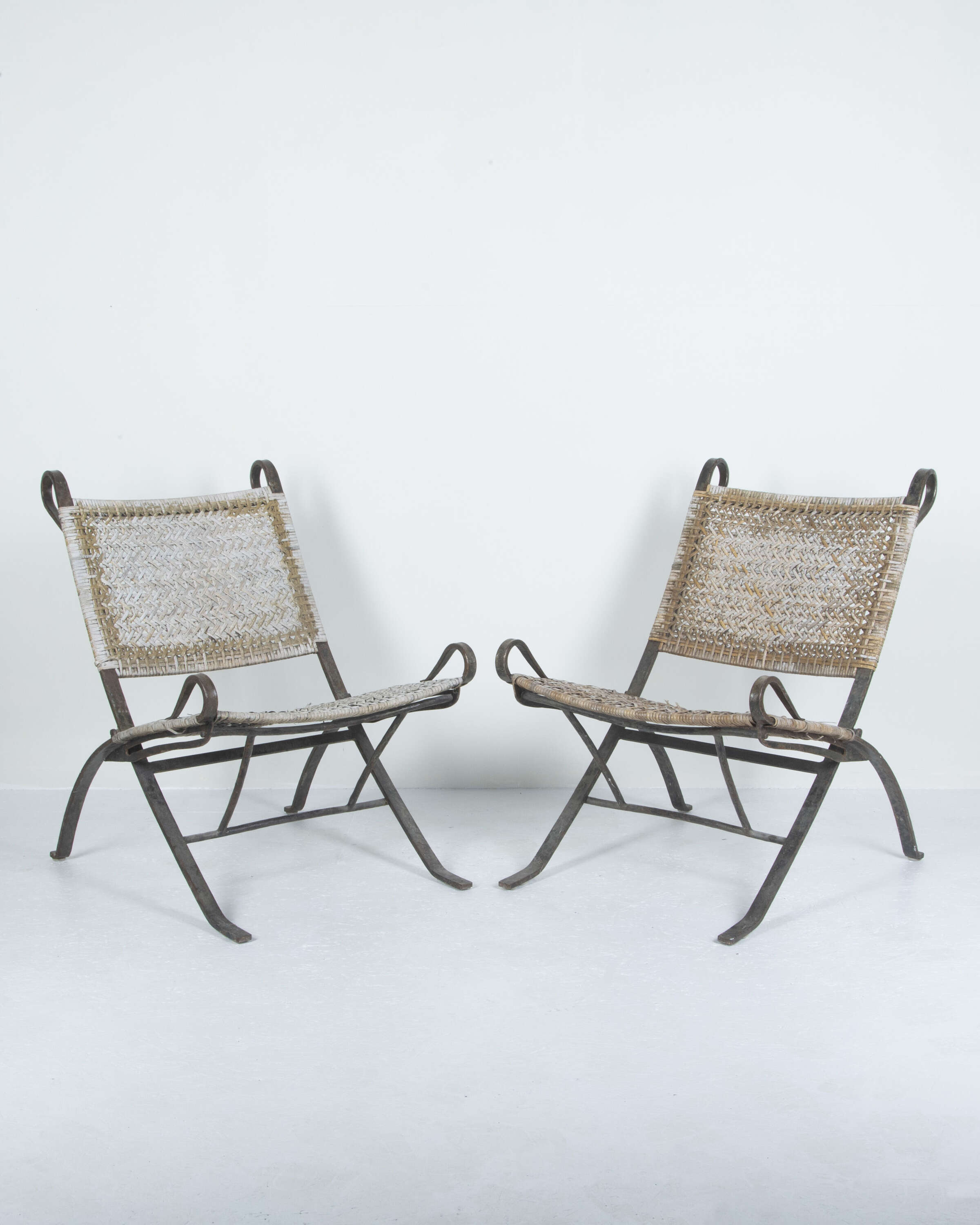 Image: Lesley Ferguson Antiques - Pair of Mid 20th Century French Folding Chairs
We've got a whole article on this, so have a read of our guide to picking the best lighting for your stock photography.
2. Do sort out what's behind it
The background's job is to support the piece, not compete with it.
- Keep it quiet. A plain wall, a panelled room, a stone floor are all good choices
- Check the edges of the frame before you shoot. Radiators, plug sockets, trailing extension leads, the dog's bowl, the wheelie bin, your own reflection in the mirror you're selling. These details can undermine an otherwise beautiful photograph
- Pick a spot and reuse it. When every item is shot in roughly the same place, in the same light, your website starts to look like a collection rather than a random assortment
Room 8 Interiors do this well. Their antique lighting and decorative pieces are shot consistently against calm, uncluttered backgrounds, so browsing their stock feels like walking round a proper shop.
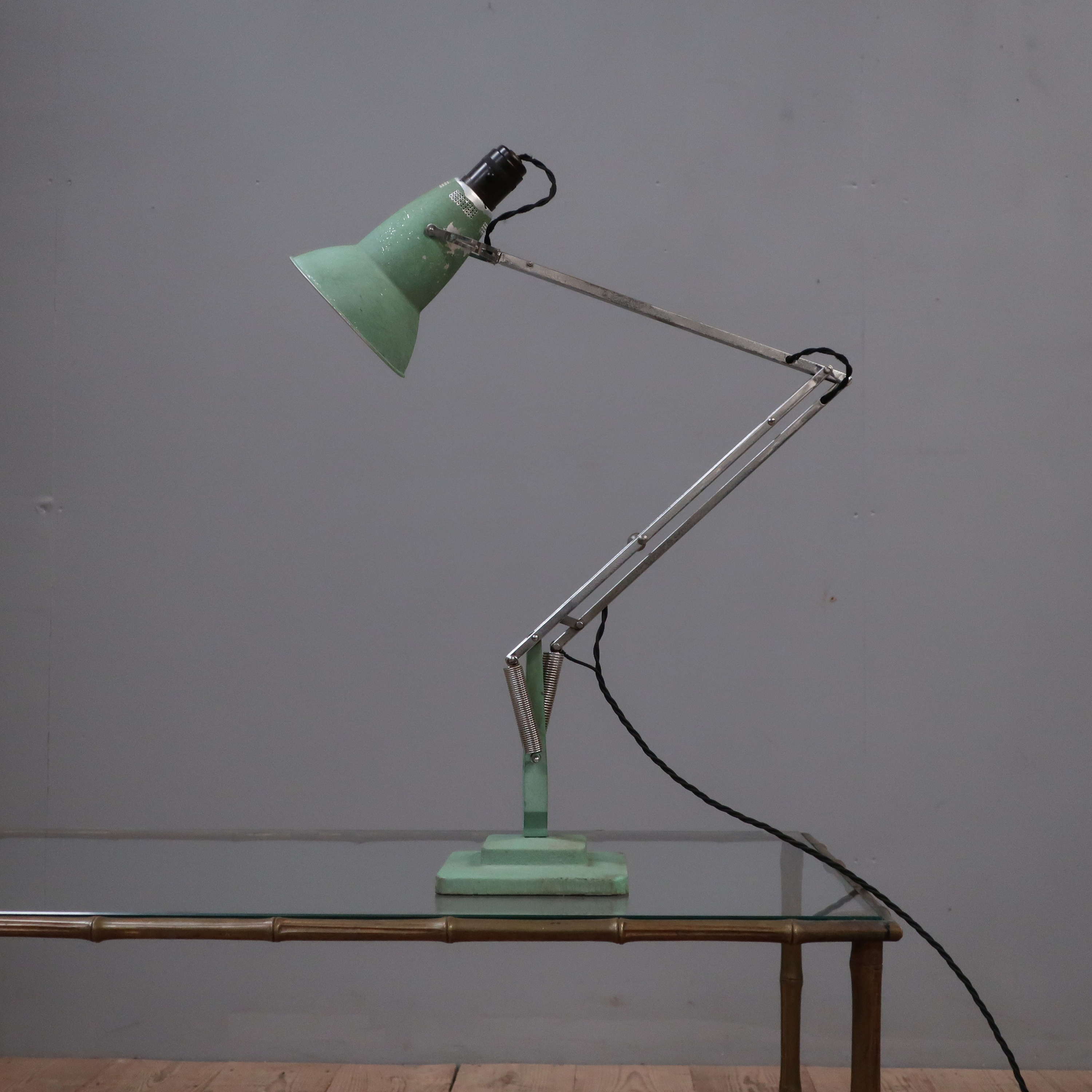 Image: Room 8 Interiors - Early Mint Green Anglepoise Lamp
3. Do fill the frame
Your piece should be the main thing in the photograph, and it's surprising how often it isn't.
- Get closer, or crop. A chair the size of a postage stamp in the middle of an empty room gives the buyer very little to actually look at
- Shoot at the item's height, not from yours. Standing up and pointing down at a chest of drawers can make it look squat and distorted. Crouch down to roughly the middle of the piece and take your shot
- Keep your verticals vertical. Leaning legs and tilting walls can make a serious piece look less carefully presented. Most phones have a grid you can switch on in the camera settings, and it takes two seconds to line up
- Include something for scale in at least one shot. Dimensions in the description are essential, but a photo does the job instantly
Desired Effect Antiques specialise in British country house seating, and their photography does exactly this. The chair fills the frame, shot straight on and at the right height, so you can read the shape and the upholstery immediately.
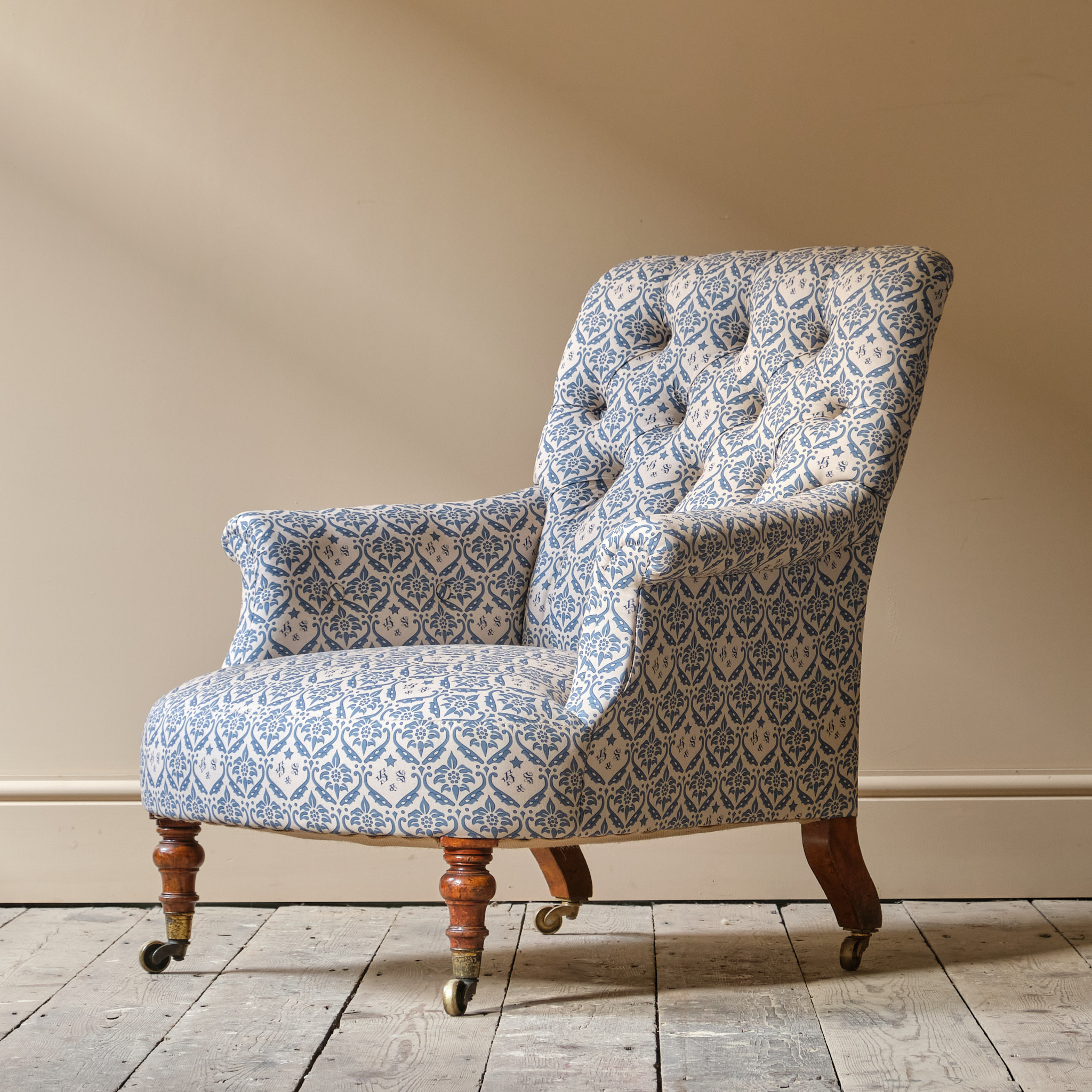 Image: Desired Effect Antiques - Mid 19th Century Howard & Sons Armchair
4. Do put it in a room, not in a void
A 'lifestyle' shot, where the piece sits in a room setting, will usually outperform the same piece photographed on a plain white background.
The reason is that the buyer isn't shopping for the object. They're shopping for a feeling about their own home. In a room setting they can see the scale, the colour against a wall, and how it might look in their hallway. You want them thinking "I love that look", not "nice table".
The whole argument (with side-by-side comparisons) is in our article on whether you should use whited-out backgrounds.
Chapter Two Fine Living are a good example here. They deal in rare and unusual decorative pieces, and they photograph them styled and in context.
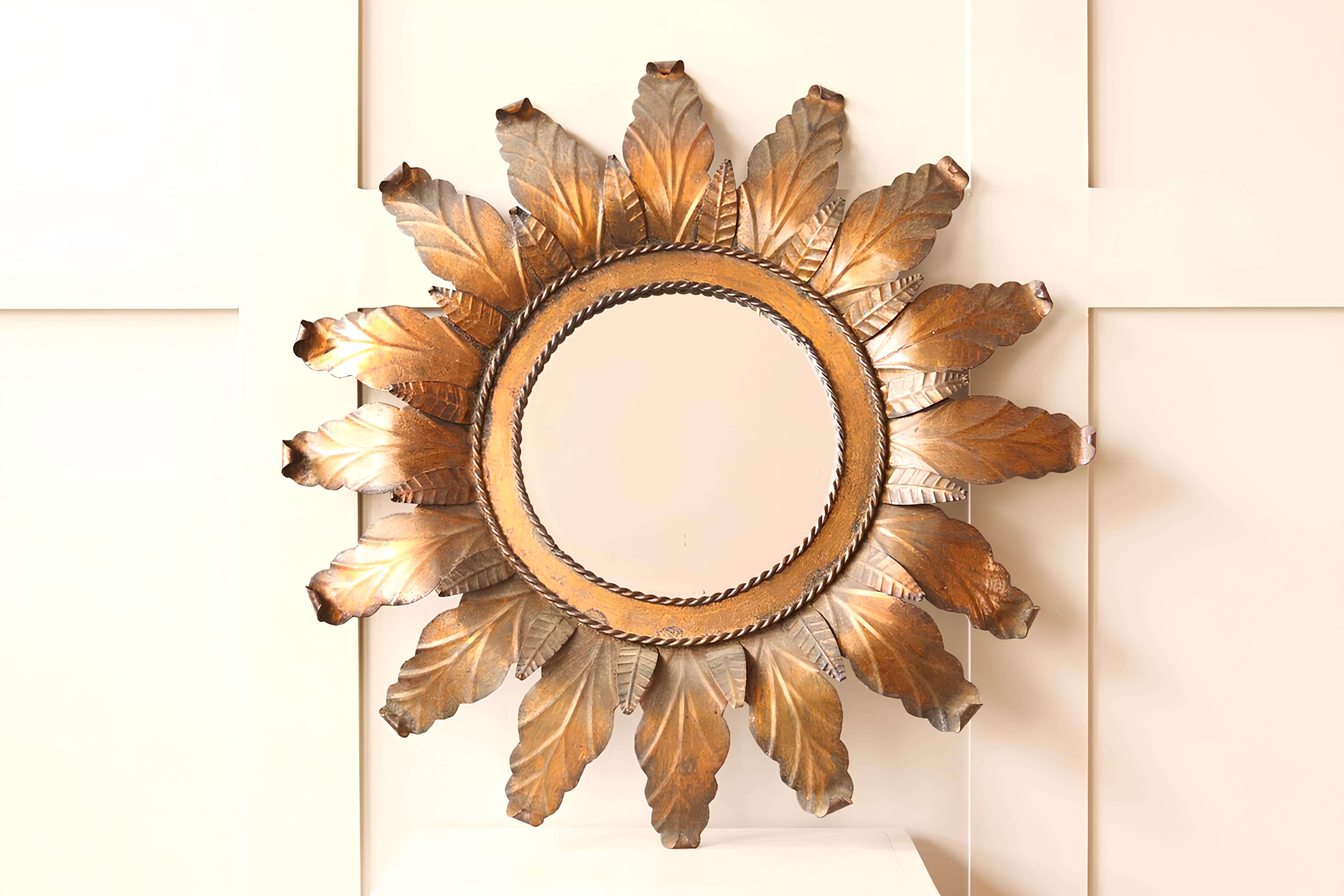 Image: Chapter Two Fine Living - Gilt Spanish Sunburst Mirror
5. Do add companion pieces and sell four items from one photo
This one is easy to overlook, and it costs nothing to do.
Selling an antique chest of drawers? Put a table lamp you're also selling on top of it, hang a mirror above it, and stand a pair of candlesticks beside it. Now that single photograph is working on four items instead of one, and the buyer gets to picture the whole arrangement in their hallway.
Ikea have made an art form out of this for decades. They lay their showrooms out as rooms, not as shelves, precisely because people buy the set.
Georgia Lacey do this well. Their work naturally shows pieces working together rather than sitting in isolation, creating a sense of how details, textures and finishes come together in a space.
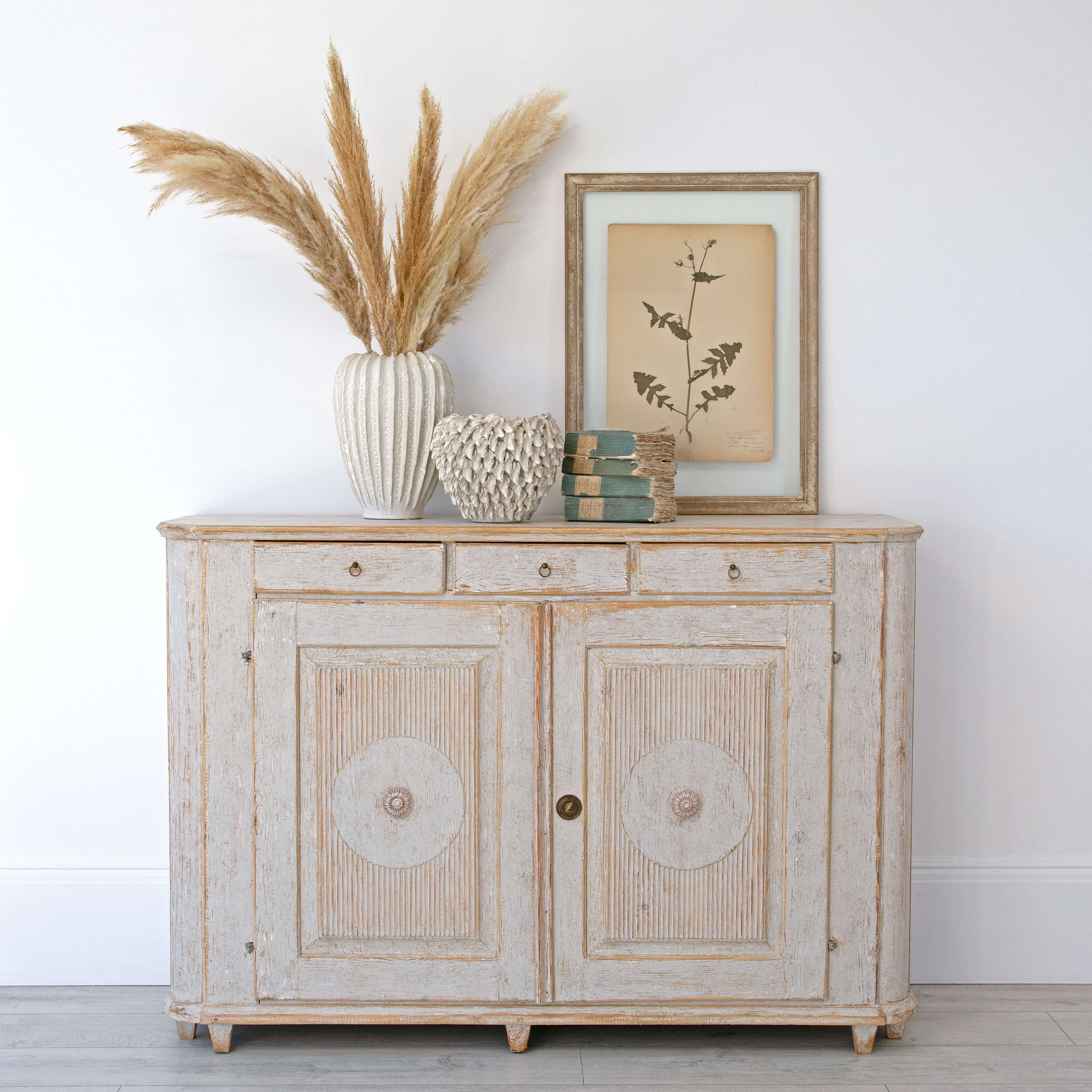 Image: Georgia Lacey - Gustavian period sideboard
More on this in one photo, multiple sales.
6. Do show the details, the marks and the honest wear
Your main photograph is what draws people in. The rest of them answer the questions a serious buyer will have.
- Photograph the maker's mark, stamp, label or signature. It's often the single most valuable thing about the piece
- Photograph the good detail. The carving, the patina, the original glass, the handles, the timber
- Photograph the flaws too. The old repair, the scuff, the replaced castor. Nobody minds honest wear on something 150 years old, but everybody minds a surprise. It can save you a returned parcel and an awkward conversation
- Show the back and the underside of furniture. Serious buyers and interior designers often look for it
Track 21 Interiors do a great job of photographing the finer details of their furniture, capturing the textures, finishes and small touches that give each piece its character.
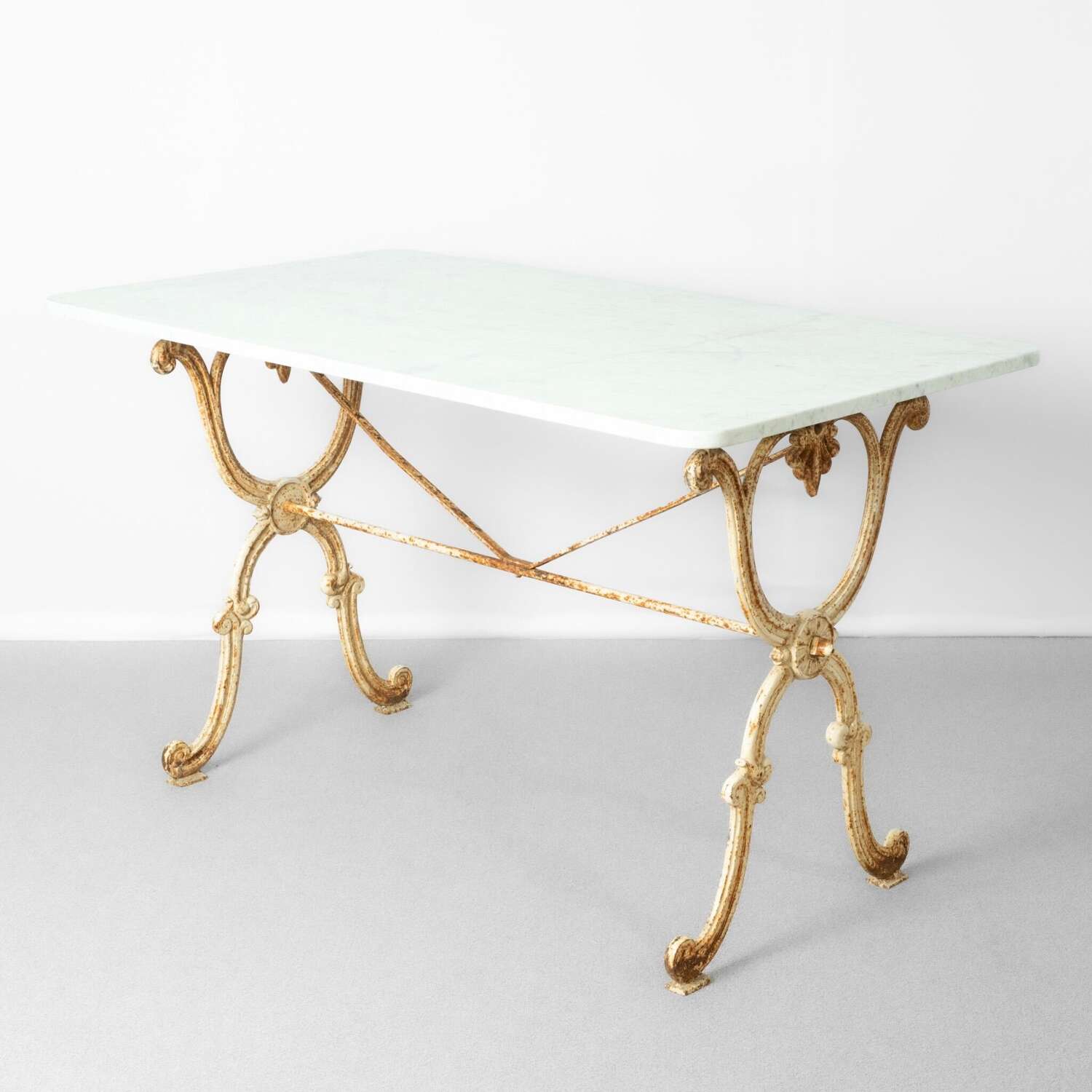 Image: Track 21 Interiors - Marble Garden Bistro Table
c) The 6 don'ts
The rule behind all six: the poorer the photo, the harder it is to see the value in the piece. And when you're selling at four-figure prices, presentation matters.
1. Don't call a creased bedsheet a white background
If you're going to shoot on white, make sure it looks intentional. A crumpled sheet with shadows in every fold, a curling piece of paper, or a grey-toned fabric can make the image feel more domestic than professional.
A good white background should be smooth, evenly lit, and genuinely white, without creases or colour shifts. If that's difficult to achieve, shooting the piece in a well-chosen room can often give a better result.
2. Don't use a dated gradient background
Some backgrounds distract from the piece rather than enhancing it. Grey-to-blue gradients, artificial shadows, and poorly cut-out images can make a beautiful antique feel less natural.
The same applies to edited backgrounds where the edges look fuzzy or the object appears to be floating. A clean, realistic presentation usually works best.
3. Don't photograph indoor pieces on the lawn
We see this often, usually because the garden offers better light. But the setting can change how the piece is perceived. A walnut chest of drawers on grass, with a fence panel or garden equipment behind it, can make a valuable piece feel more like a clearance item.
Garden antiques and architectural pieces photographed outdoors? Perfect. A Regency library chair in the middle of the lawn? Probably better somewhere else.
If you need the light, try shooting just inside an open doorway or near a large window instead. You get the benefit of daylight without the outdoor distractions.
4. Don't leave the item tiny and lost in the middle
An uncropped photo taken from across the room, where the actual item only fills a small part of the frame, is a common problem. This is especially true for paintings and mirrors.
Remember that many buyers first see your stock as a small thumbnail on a category page or on their phone. If the piece is difficult to see there, fewer people will click through to learn more.
Crop it. It takes seconds on most phones.
5. Don't shoot in bad or mixed light
Some of the lighting issues that can have the biggest impact on how your pieces are viewed:
- Phone flash. It can create harsh shadows and bright reflections that hide details
- A single yellow lamp. It can shift colours and make natural materials look inaccurate
- Shooting towards a window. This often leaves the piece too dark to see clearly
- Your own shadow or reflection. Watch for these on glass, mirrors and polished surfaces
- Photos that are too dark. Buyers need to see the details without relying on the description to fill in the gaps
6. Don't let everyday clutter into the shot
A few more things that can distract from an otherwise strong photograph:
- Domestic clutter. Ironing piles, televisions, children's toys, or other furniture can pull attention away from the piece you're selling
- Large watermarks. Protecting your images is understandable, but a watermark across the main details can make the piece harder to appreciate. If you use one, keep it subtle
- Over-editing. Heavy saturation and sharpening can make antiques look unnatural. Aim for accurate, honest images
- Blurry, out-of-focus or tilted photos. Take several shots and choose the strongest one
- Only one photo. Buyers spending hundreds or thousands need to see the piece from more than one angle
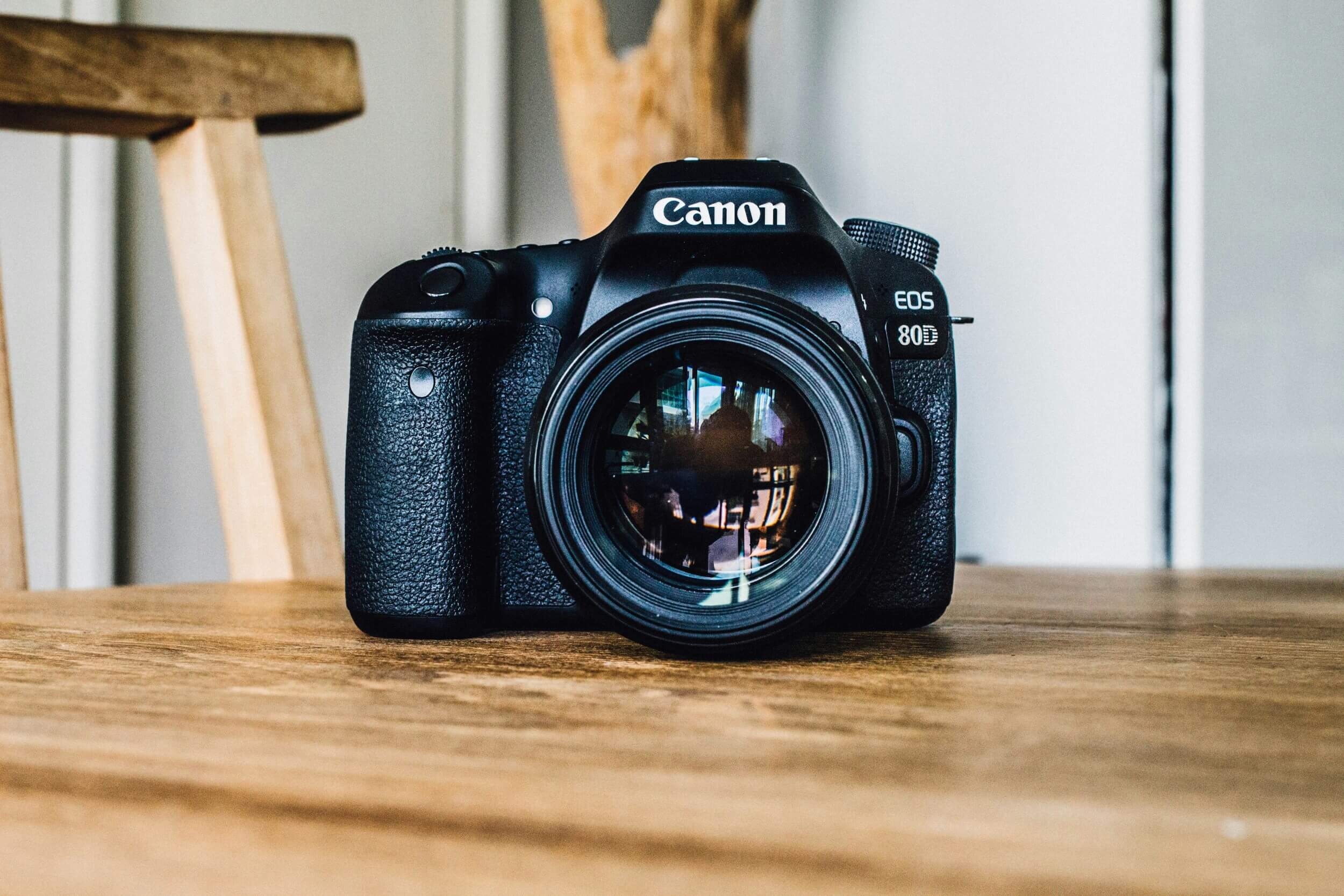
d) You don't need a fancy camera
The phone in your pocket is better than the professional kit of twenty years ago, and you don't need expensive cameras to get results like these.
What actually makes the difference, in order: light, background, framing. The camera comes fourth.
A few of ours worth a read:
The only thing worth spending money on, if you fancy it, is a cheap tripod. It keeps your shots sharp, keeps your framing consistent from one item to the next, and stops you leaning over the piece and casting a shadow on it.
One last thought
Your stock is already good enough. The only question is whether your photos say so.
Nothing in this article needs a studio, a budget or a course. All you need is a window, a tidy corner, a straight camera and ten seconds of cropping.
If you fancy a website that shows your photography off properly, get in touch and we'll talk you through your options. You can also apply to list your stock on Antiques Boutique, our antiques marketplace.
And if you've got photography you're proud of, send it over. We love showing off what our dealers are doing.


